Dissertação de Mestrado
THE MUSEUM STORAGE OF CERVEIRA ART BIENNAL FOUNDATION
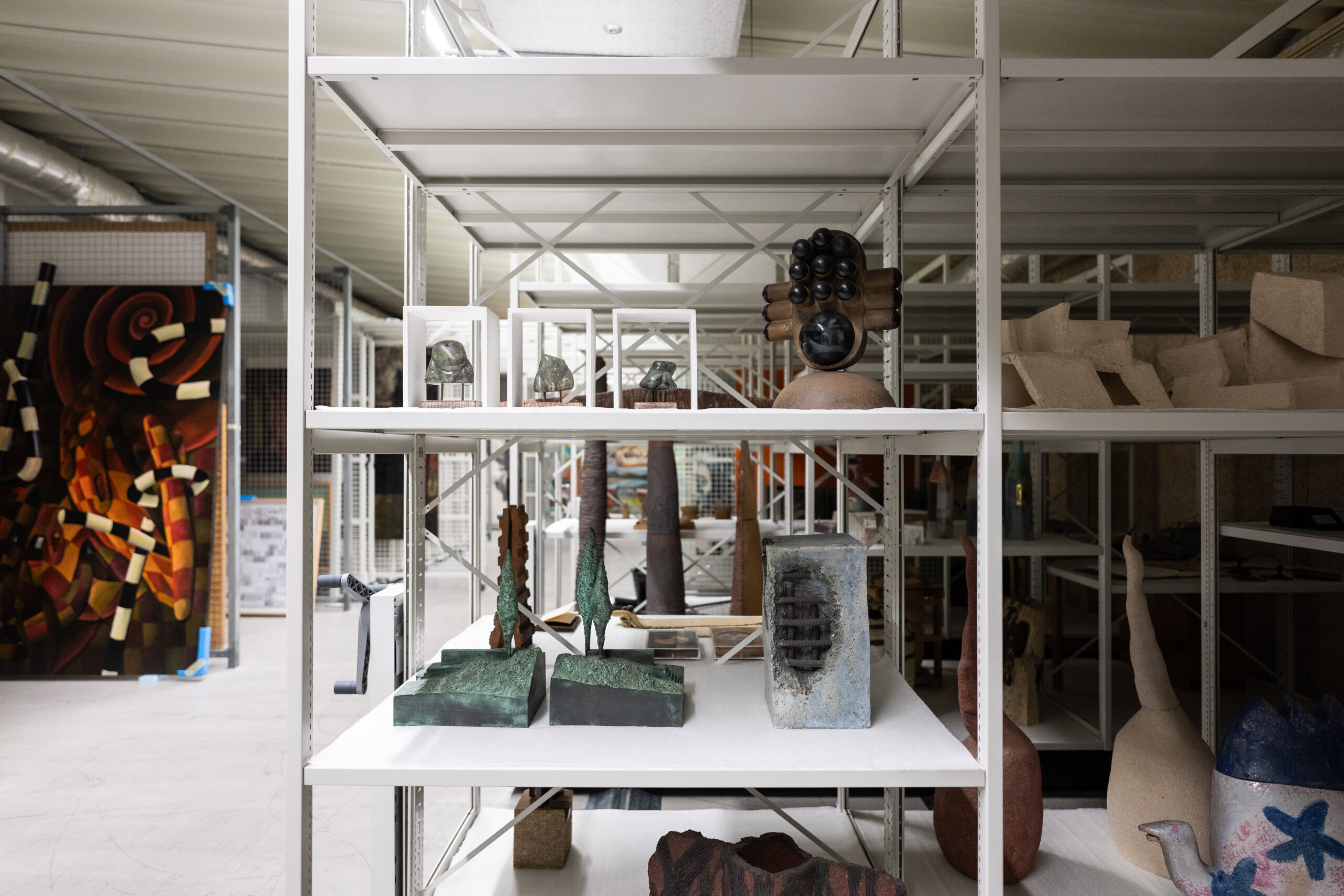
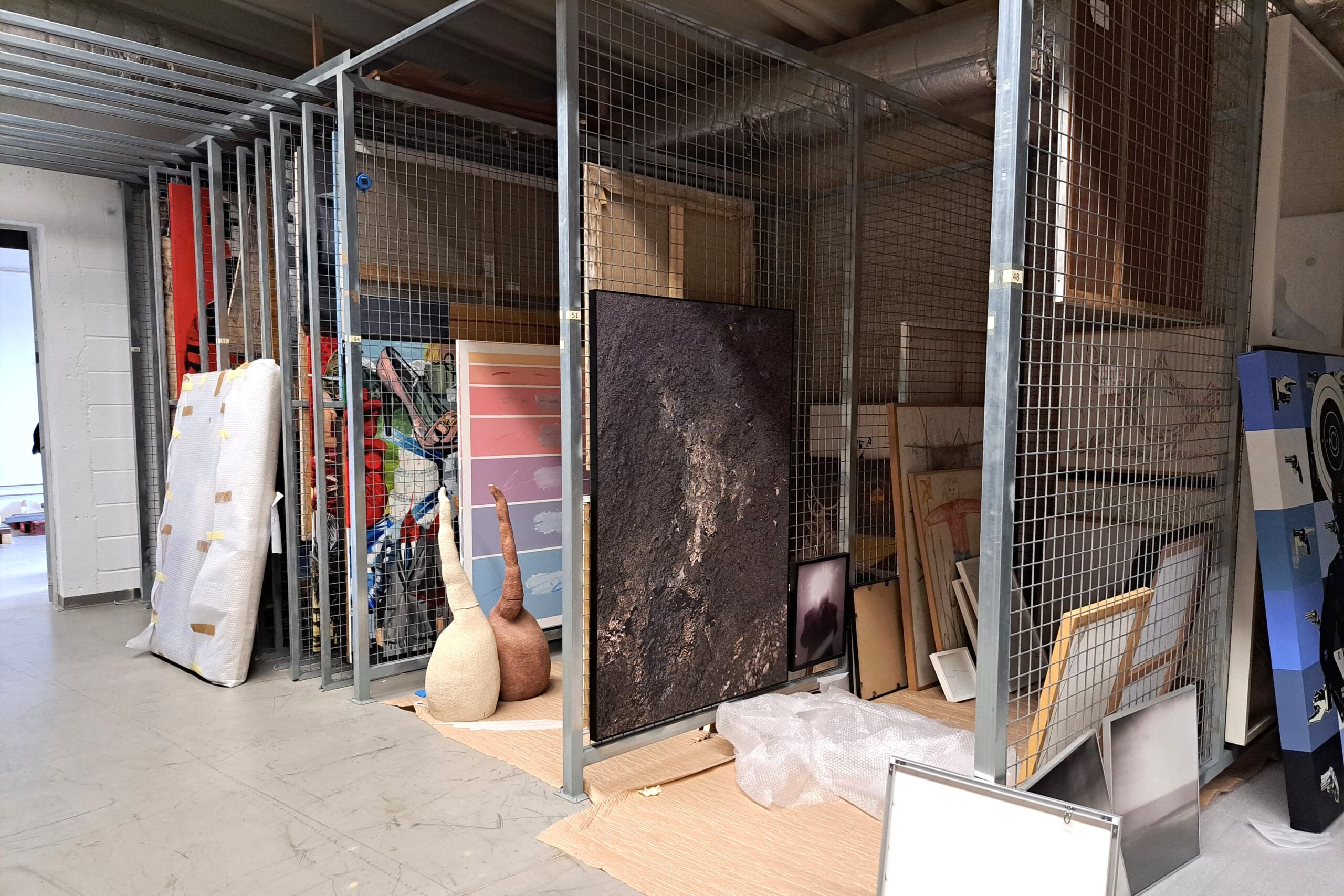
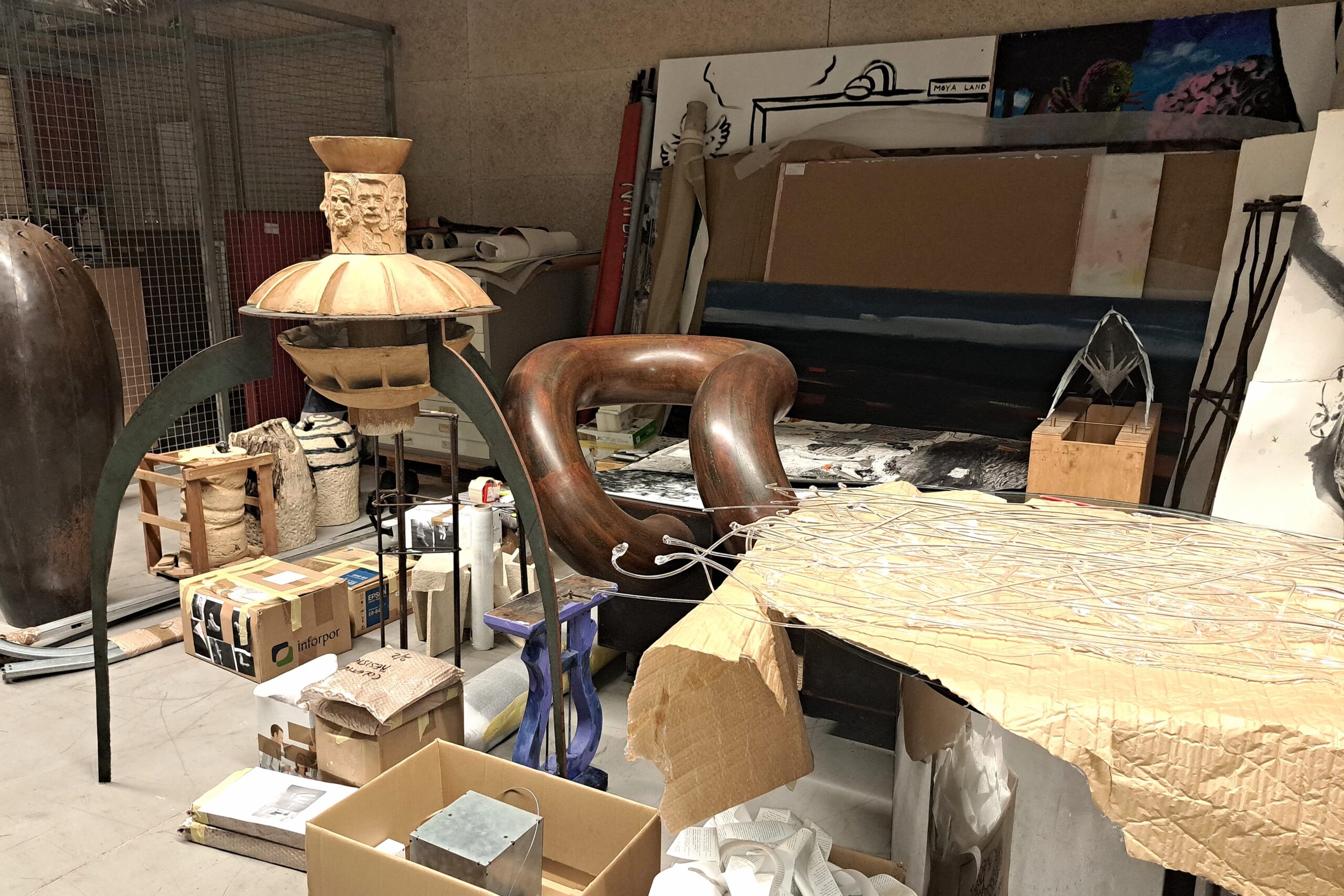
This reasearch project focused on the analysis, documentation and reorganisation of the museum storage facilities of the Cerveira Biennial Museum, which holds a collection of over 700 works of contemporary art resulting from the several editions of the International Art Biennial of Cerveira (BIAC), as well as from diverse national and international artistic production contexts. The material, technical, and conceptual diversity of the collection presented specific preservation challenges, requiring an approach attentive to the particularities of each work.
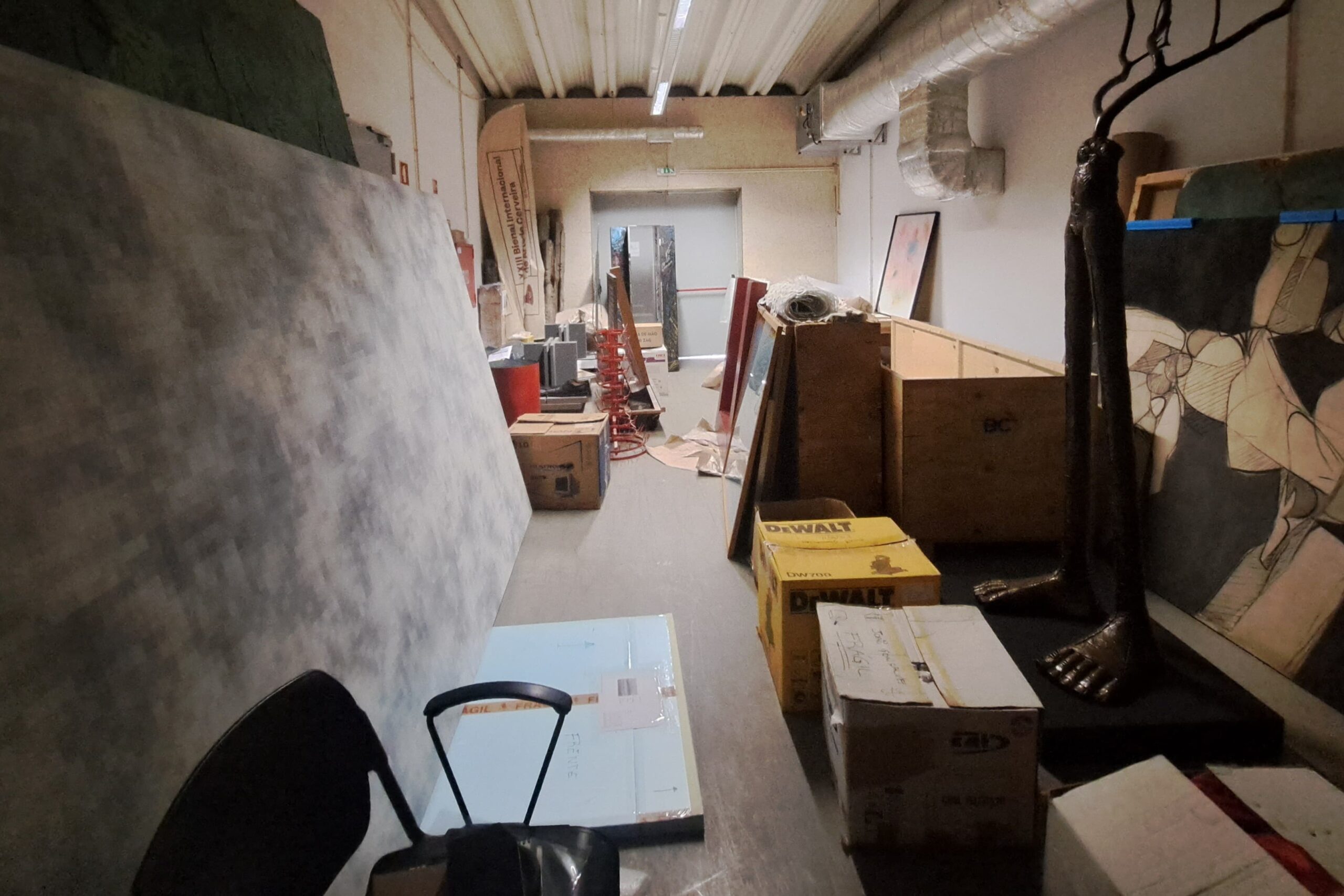
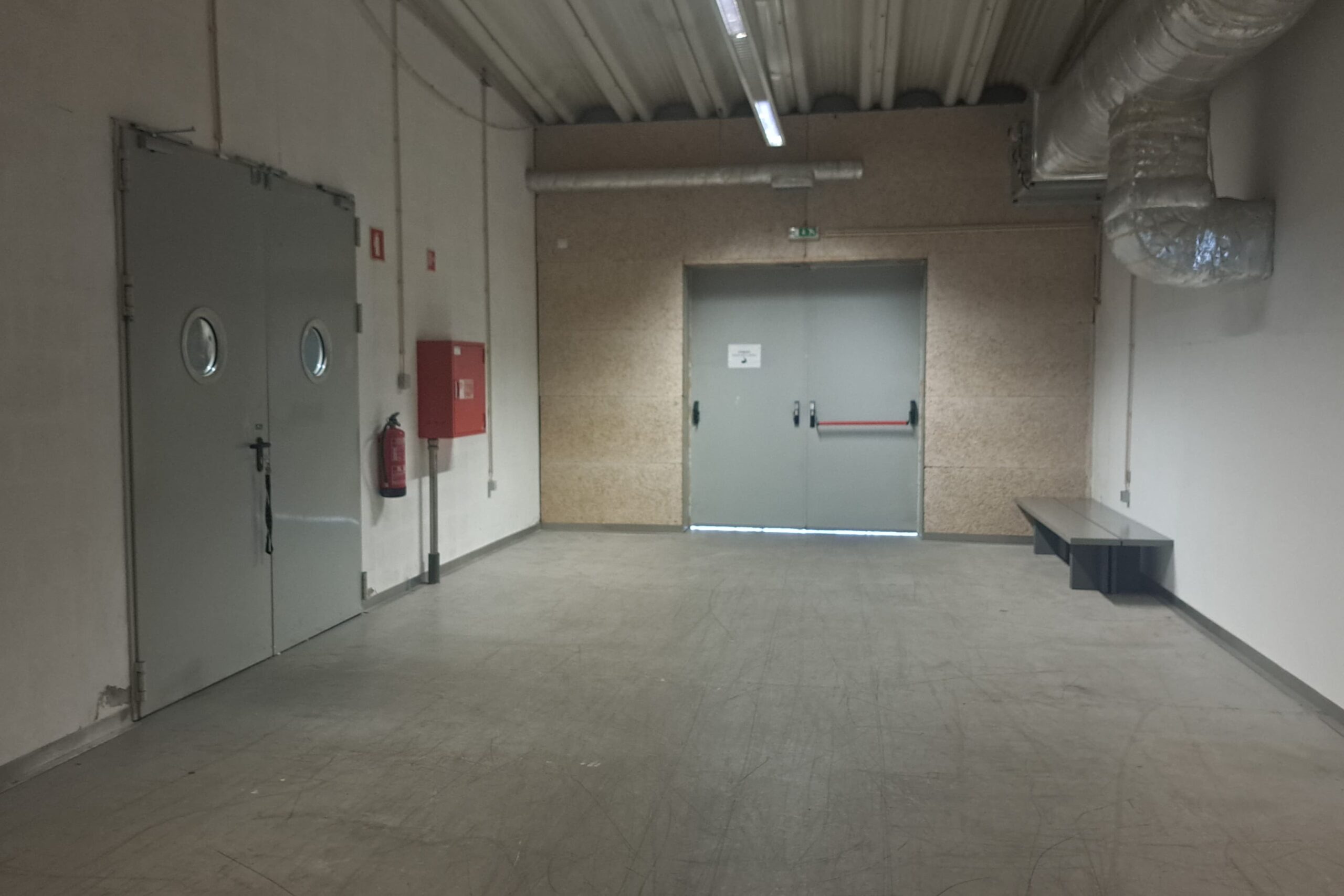
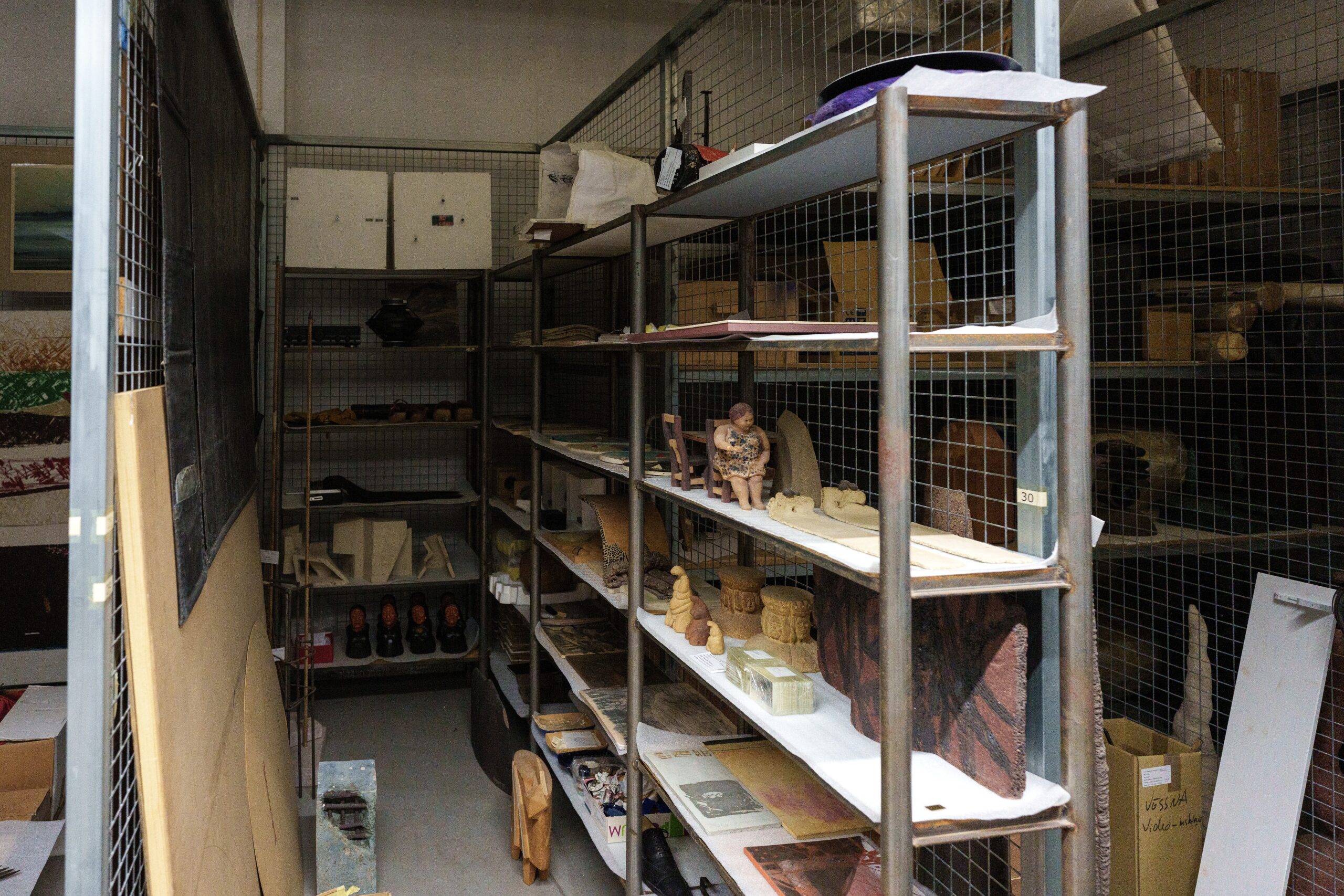
Through an in-depth assessment of the physical, functional and spatial conditions of the storage area, numerous risks compromising the proper conservation of the artworks were identified, particularly in relation to storage conditions, spatial organisation, accessibility, and environmental control. This survey made it possible to understand the museum storage area not merely as a space for holding objects, but as an active and flexible environment, shaped by use, circulation and decision-making processes.

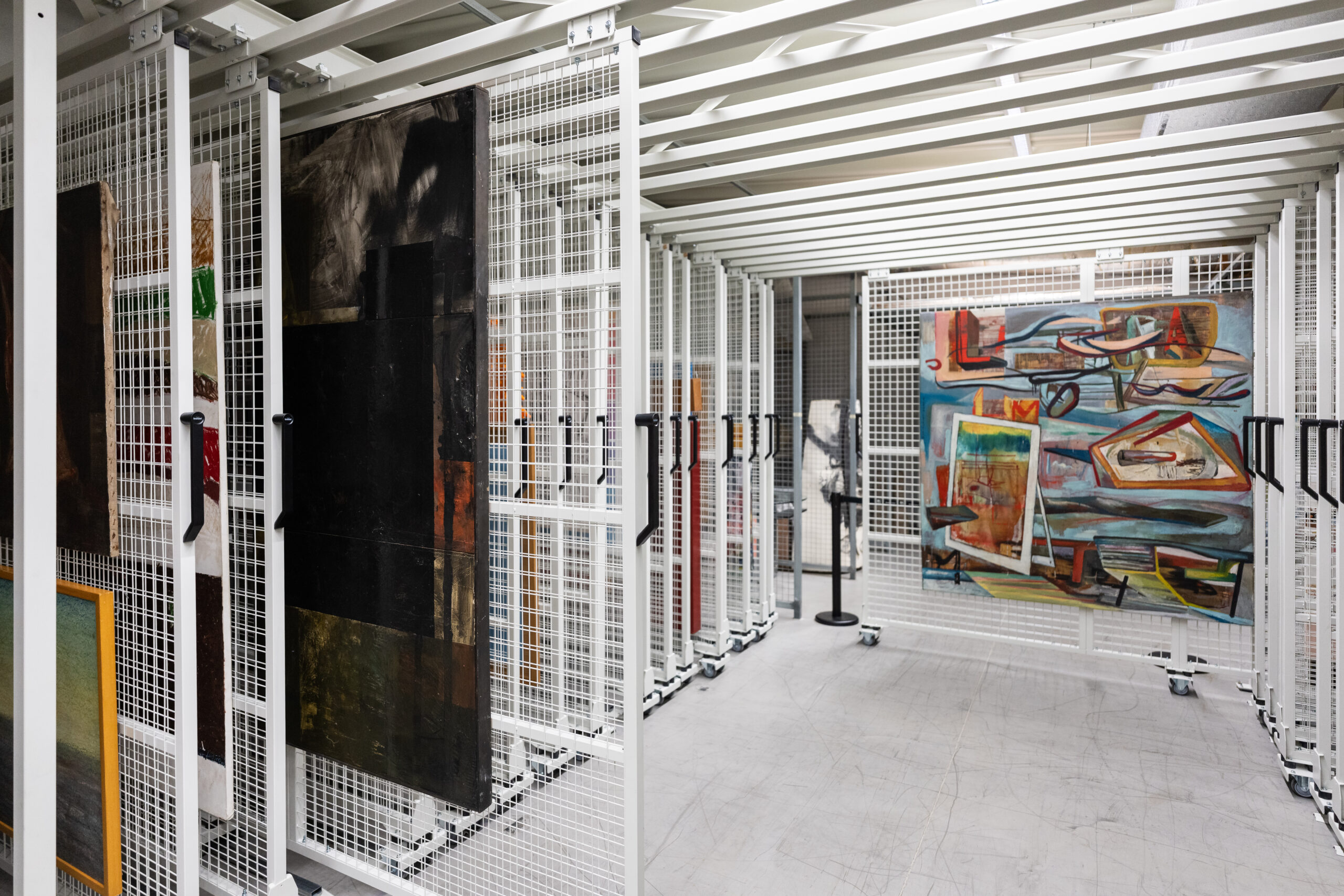
Based on the RE-ORG methodology and the application of the ABC method, preventive conservation strategies were defined and implemented in accordance with the institution’s specific characteristics, taking into account its technical, human, and financial constraints. The project resulted in the execution of a feasible reorganisation plan integrating solutions for storage, spatial reconfiguration, sustainability and accessibility, while fostering a clearer and more functional relationship between the artworks, the space, and its users.
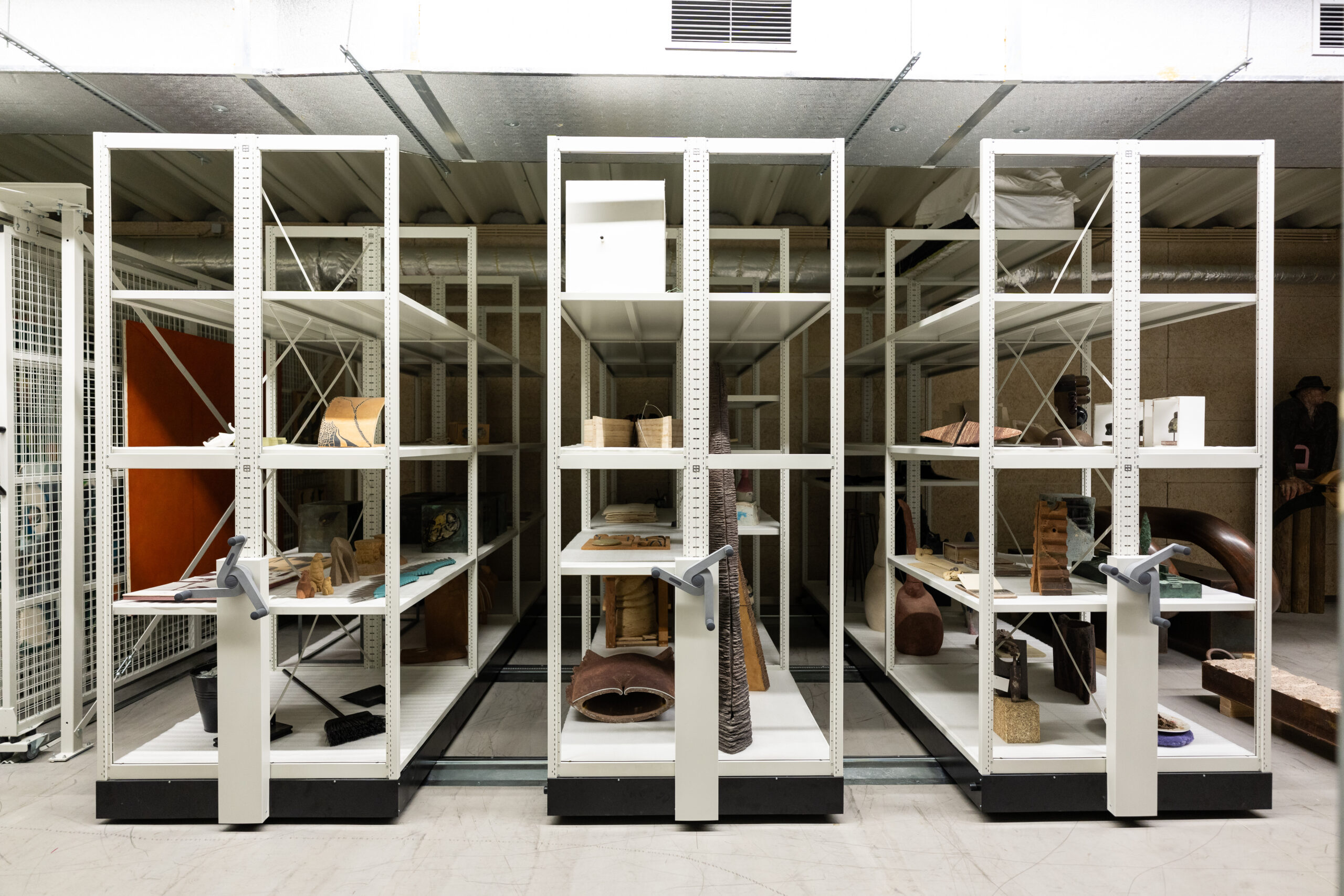

This process involved direct intervention in the museum storage facilities, where physical reorganisation was accompanied by a continuous exercise of observation, decision-making, and adaptation. Rather than merely responding to technical standards, the plan sought to respect the institution’s identity and the nature of its collection, creating conditions for a more dynamic, sustainable and efficient approach to museum management.
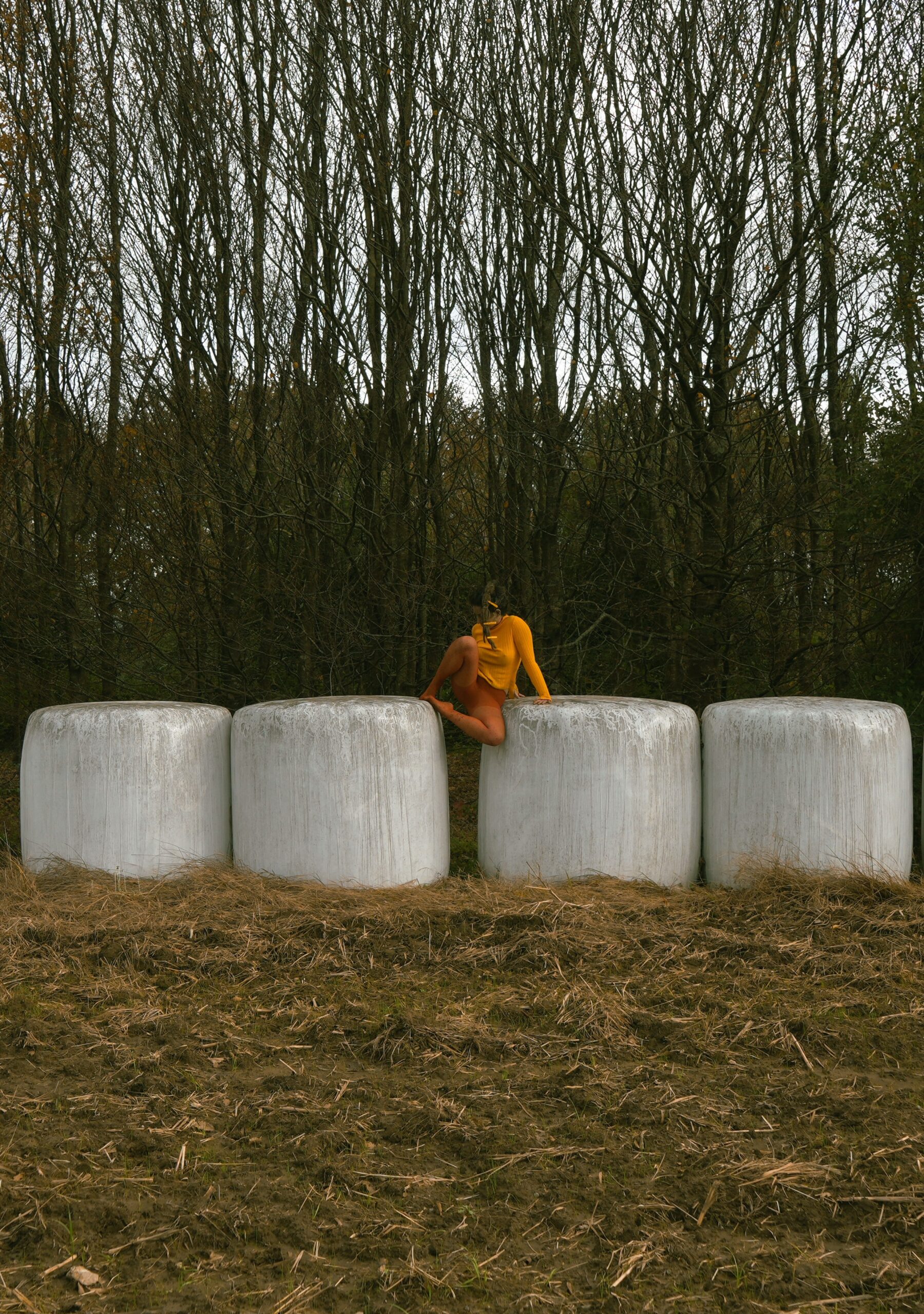
New ways of inhabiting the museum storage were implemented, in which preservation is not limited to physical protection but extends to the creation of conditions that ensure the continuity of memory, experience and artistic gesture.
In this context, the research understands conservation as a space of attentiveness to both the physical and temporal dimensions of matter, where preservation intersects with collective responsibility towards contemporary heritage.
Through observation and direct intervention, the process emerged as a space of presence and attentiveness, making visible the slow transformations, silent rhythms, and inherent fragilities that inhabit the artworks and their contexts. Conservation asserts itself as an active practice of care, awareness and continuity, grounded equally in critical reflection and action.
The consolidation of this process was further supported by and application to the Norte 2030 Regional Programme, co-financed by the European Union through the European Regional Development Fund (FEDER). This initiative enabled the upgrading of the technical conditions of the storage facilities through the acquisition of specialised equipment, namely environmental monitoring systems and storage furniture tailored to the specific requirements of the collection. This support proved essential in ensuring greater environmental and structural stability, strengthening the institution’s capacity for prevention and response to previously identified risks.
Deixe um comentário